

Hey there! As a dust collector supplier, I've seen firsthand the significant impact these machines can have on indoor air quality. In this blog, I'm gonna break down how dust collectors work and why they're a game - changer for keeping your indoor air clean and healthy.
Let's start with the basics. What exactly is a dust collector? Well, it's a device designed to capture and remove dust and other airborne particles from the air. Whether it's in a factory, a workshop, or even a home environment, dust collectors play a crucial role in maintaining good air quality.
In industrial settings, there are all sorts of processes that generate dust. For example, in woodworking shops, cutting, sanding, and shaping wood produce a ton of sawdust. Metalworking operations like grinding and welding can release metal particles and fumes into the air. Without proper dust collection, these particles can linger in the air, creating a hazy and potentially hazardous environment.
Dust collectors work by using a combination of filters and air flow systems. The dirty air is drawn into the collector through an intake. As the air passes through the filters, the dust particles get trapped, while the clean air is then released back into the environment. There are different types of filters available, such as bag filters, cartridge filters, and electrostatic precipitators, each with its own advantages depending on the type and size of the particles you're dealing with.
One of the most obvious impacts of a dust collector on indoor air quality is the reduction of visible dust. You know how it is when you walk into a place with a lot of dust - it's like a cloud hanging in the air. With a good dust collector in place, that cloud disappears. You can see clearly across the room, and surfaces stay cleaner for longer. This not only makes the environment more pleasant to be in but also reduces the amount of dust that settles on equipment, which can extend the lifespan of your machinery.
But it's not just about the visible dust. There are also a lot of microscopic particles in the air that can't be seen with the naked eye. These tiny particles, such as pollen, mold spores, and fine dust, can cause a range of health problems. For people with allergies or asthma, breathing in these particles can trigger symptoms like sneezing, coughing, and shortness of breath. Long - term exposure to certain types of dust, like asbestos or silica, can even lead to serious diseases like lung cancer and silicosis.
A dust collector helps to remove these harmful particles from the air, making it safer to breathe. By reducing the concentration of airborne pollutants, it can significantly improve the health and well - being of the people in the indoor environment. In a home, for example, a dust collector can be especially beneficial for families with young children or elderly members, who are often more vulnerable to the effects of poor air quality.
Another important aspect is the improvement of ventilation. A dust collector is often integrated into the overall ventilation system of a building. It helps to ensure a steady flow of fresh air, which is essential for maintaining a healthy indoor environment. Proper ventilation can also help to control humidity levels, which can prevent the growth of mold and mildew.
Now, let's talk about some specific scenarios where dust collectors can make a huge difference. In a food processing plant, for instance, maintaining a clean and dust - free environment is crucial for food safety. Dust particles can contaminate the food products, leading to potential health risks for consumers. A high - quality dust collector can help to keep the air clean and prevent cross - contamination. And if you're interested in related equipment, you might want to check out the Baby Kids Care Milk Powder Packing Machine, which is also important for ensuring the quality and safety of food products.
In a pharmaceutical manufacturing facility, the air quality needs to be extremely high to meet strict regulatory standards. Dust collectors are used to remove any particles that could potentially contaminate the drugs being produced. This not only protects the quality of the products but also the health of the workers in the facility. And for canning - related operations, the SEAMER WITH VACUUM AND GASSING and Nitrogen Gas Can Sealing Machine can work in tandem with dust collectors to maintain a clean and safe production environment.
In a home workshop, where people are often doing DIY projects like painting, sanding, or soldering, a dust collector can make the space much more comfortable and safe. It can prevent the buildup of fumes and dust, which can be irritating to the eyes, nose, and throat. Whether you're a hobbyist or a professional, having a dust collector can really enhance your work experience.
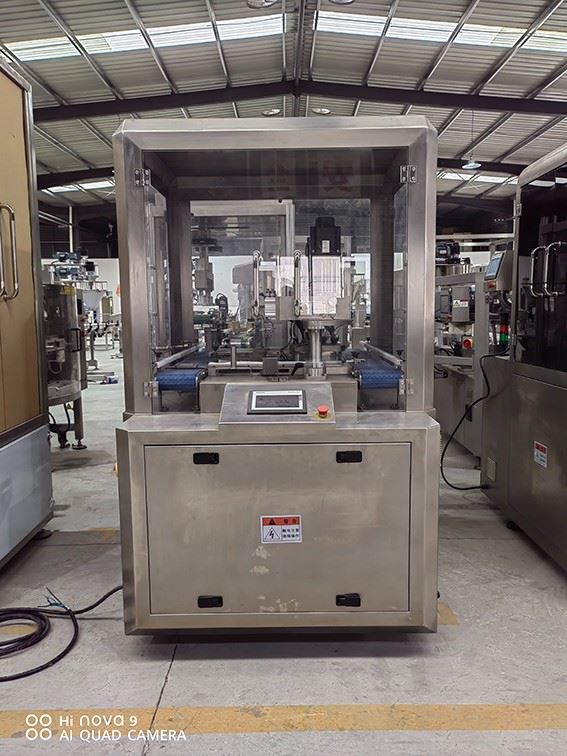

When it comes to choosing a dust collector, there are a few things to consider. You need to think about the size of the area you want to clean, the type of dust you're dealing with, and your budget. There are dust collectors available in different sizes and capacities, from small portable units for home use to large industrial - scale systems.
In conclusion, the impact of a dust collector on indoor air quality is undeniable. It can remove harmful particles, reduce visible dust, improve ventilation, and create a healthier and more comfortable environment. Whether you're running a business or just want to keep your home clean and safe, a dust collector is a smart investment.
If you're interested in learning more about our dust collectors or have any questions about how they can fit into your specific situation, don't hesitate to reach out. We're here to help you make the best choice for your indoor air quality needs.
References
- American Conference of Governmental Industrial Hygienists (ACGIH). "Threshold Limit Values for Chemical Substances and Physical Agents and Biological Exposure Indices."
- Occupational Safety and Health Administration (OSHA). "Standards for Air Contaminants."
- World Health Organization (WHO). "Indoor Air Quality Guidelines."


